

D20 Capping Strip Specification & Selection Hub
The D20 aluminum capping strip finishes the top of a resilient floorcovering where it has been coved up the wall, and is normally installed together with a cove former. This page brings the declared data, the site conditions and the rest of the aluminum floor trim family into one place, so contractors, estimators and specifiers can settle the junction detail, the fixing method and the components before the schedule is priced.
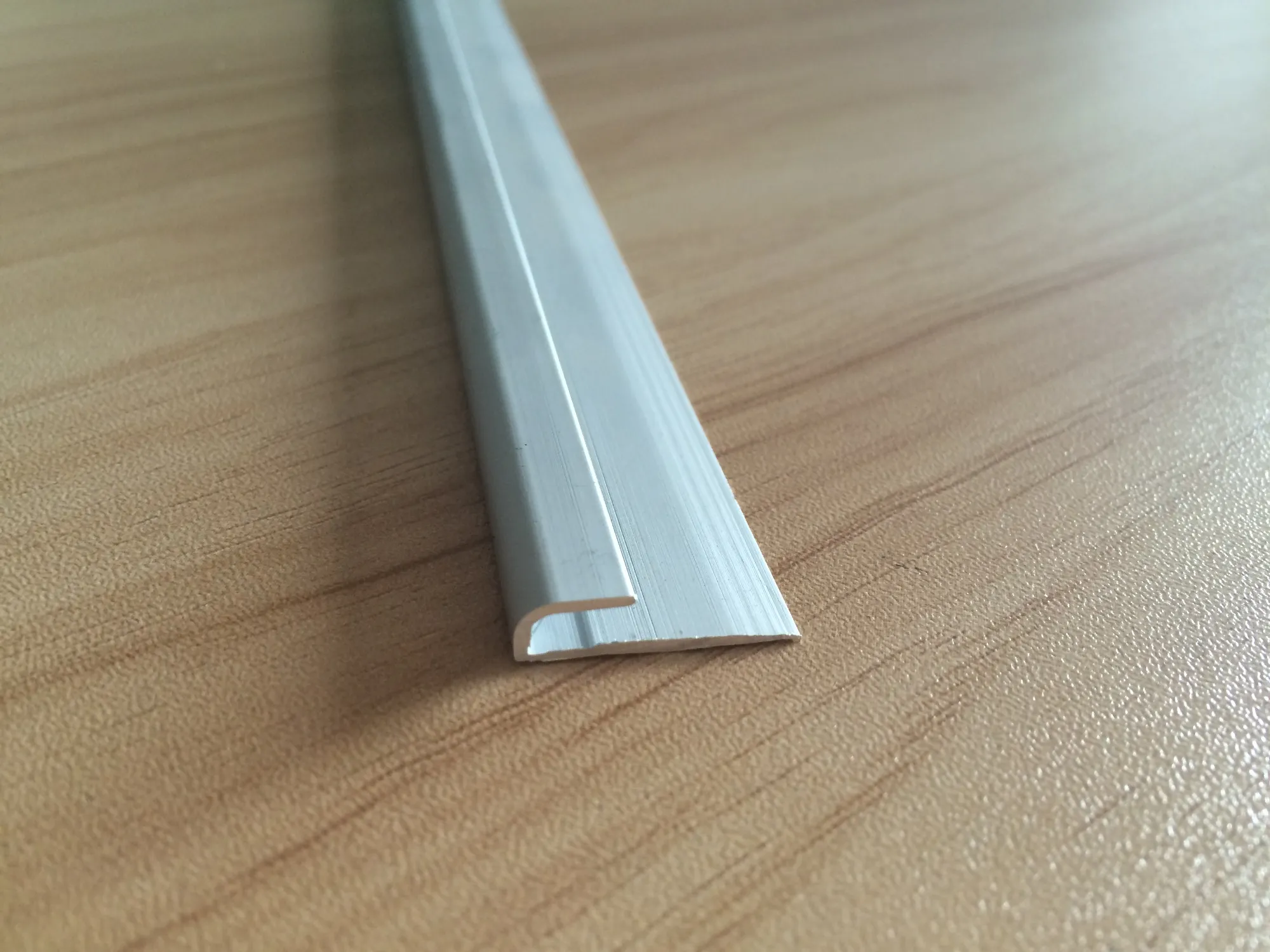
D20 at a glance
The complete declared data set for the capping seal, laid out in the order a specification sheet reads it.
Which trim for which junction
Match the profile to the junction before anything is priced. These are the four trim roles that most often get mixed up on a coved resilient flooring schedule.
D20 technical data and system anatomy
Transcribe the declared fields straight into the trim schedule, then check that every component around the seal is named before ordering.
Declared technical data — Item No. D20
| Field | Value |
|---|---|
| Item No. | D20 |
| Type | Capping seal |
| Environment | Interior |
| Material | Aluminum 6063 |
| Height | 20 mm |
| Fixing | Adhesive or screw fix |
| Used with | Resilient floorcovering |
How the layer stack reads on site
- 1Resilient floorcovering — the declared material the capping seal is used with, turned up the wall at the junction.
- 2Cove former — shapes the radius the floorcovering turns through; D20 works with a PVC cove former.
- 3Capping seal (D20) — finishes the top of the coved floorcovering and closes the junction.
- 4Cove cap skirting — added where the design carries a skirting band above the cap, for a unified, polished appearance.
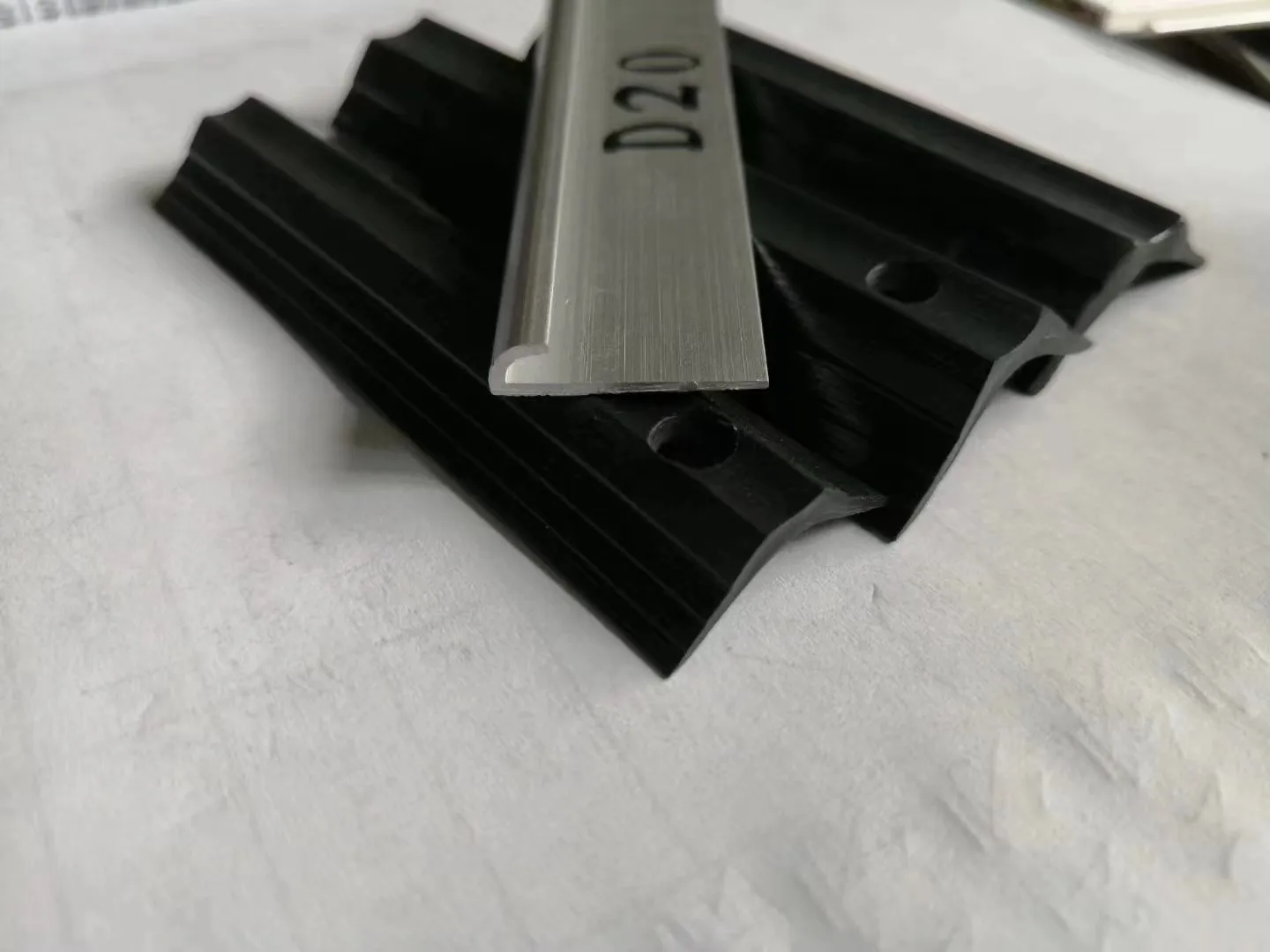
Components D20 is specified with
- PVC cove former — the two parts work together to create a unified and polished appearance at the wall-floor line.
- Cove cap skirting — the second component named for the finished appearance above the cap.
- Resilient floorcovering — the declared "used with" material for the D20 capping seal.
- Contact adhesive or mechanical fixings — whichever of the two declared fixing methods the wall build-up allows.
Aluminum or PVC: choosing the capping material
Both material classes turn up on coved flooring work. The comparison below sets out where each one earns its place, then gives a short verdict for each environment group.
| Aspect | Aluminum (D20 material: Aluminum 6063) | PVC capping profile |
|---|---|---|
| Wear and durability | Described as robust aluminum, built for longevity and resistance to wear | Lighter polymer; service life depends on grade and traffic level |
| Impact and rigidity | Rigid metal section that holds a straight line along the junction | More flexible section; can deform under heavy point loads |
| Cleanability | Hard face that wipes down and resists soil absorption at the transition | Smooth face; performance depends on the edge seal detail |
| Installation method | Adhesive or screw fix (declared for D20) | Bonded or mechanically fixed to the profile's own detail |
| Cost positioning | Higher unit cost, offset across a long service life | Lower unit cost, common on budget and short-cycle refits |
| Best-fit environment | High-traffic and hygiene-critical coved interiors | Light commercial and short-cycle refurbishment |
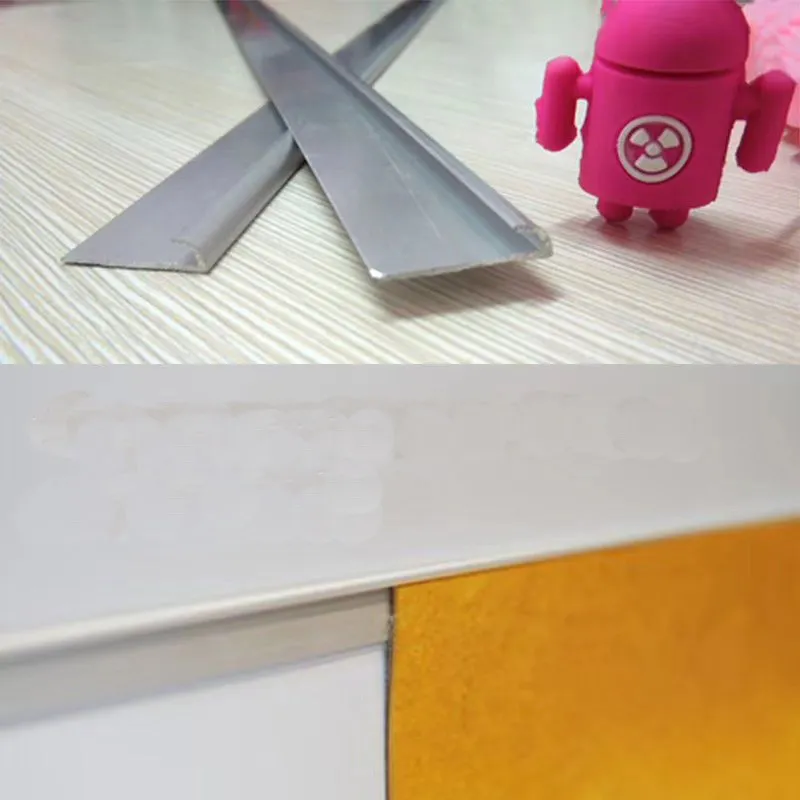
Specify the aluminum capping seal. Rigidity and wear resistance keep the junction line true through years of cleaning, and the sealed transition is the detail a hygiene inspection will look at first.
Installation and site conditions
The declared method, in the order the work actually happens on site — this is also the sequence to quote against.
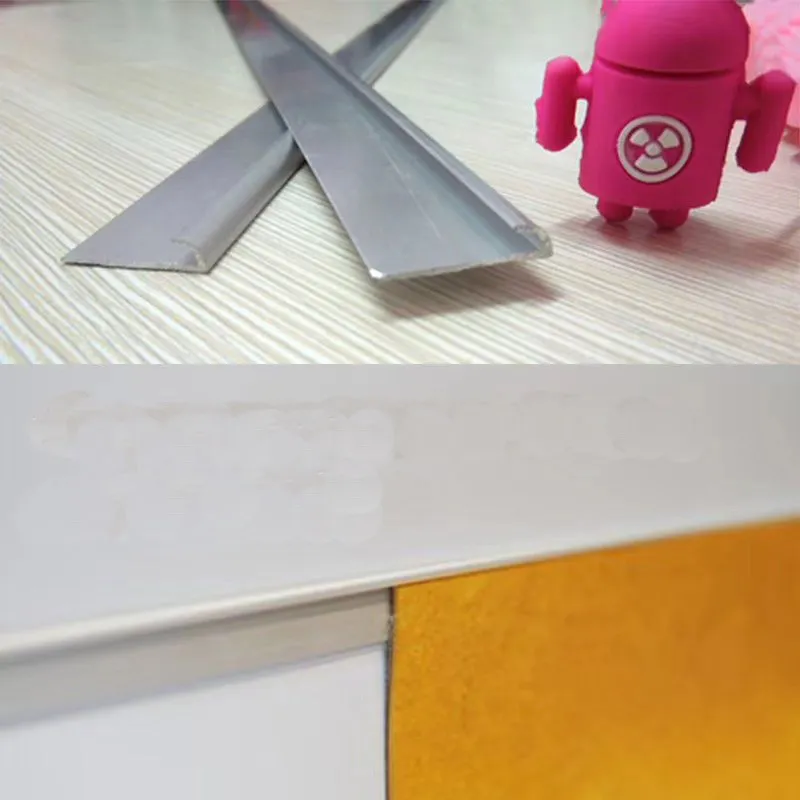
Surfaces must be sound, smooth, dry and free from contaminants that affect adhesion.
Wall surfaces must be free from previous coverings, linings and adhesive residues.
Paint films and any mold must be removed, and the surface treated before installation.
Leave the capping seal for 24 hours at an ambient temperature of 18 °C before fitting.
Mark the position of the top of the capping seal on the wall and join the marks with a chalk line.
Apply proprietary contact adhesive to the wall and to the back of the capping seal, then let it become touch dry.
Press together with even pressure, removing air bubbles and ensuring full contact.
Internal corners should be miter cut; external corners may be miter cut or wrapped around.
Where D20 is specified
The product page positions D20 as a preferred choice among contractors for hospitals, schools and food preparation areas, and references healthcare flooring and cleanroom projects. Each of those rooms loads a different decision onto the same 20 mm profile.
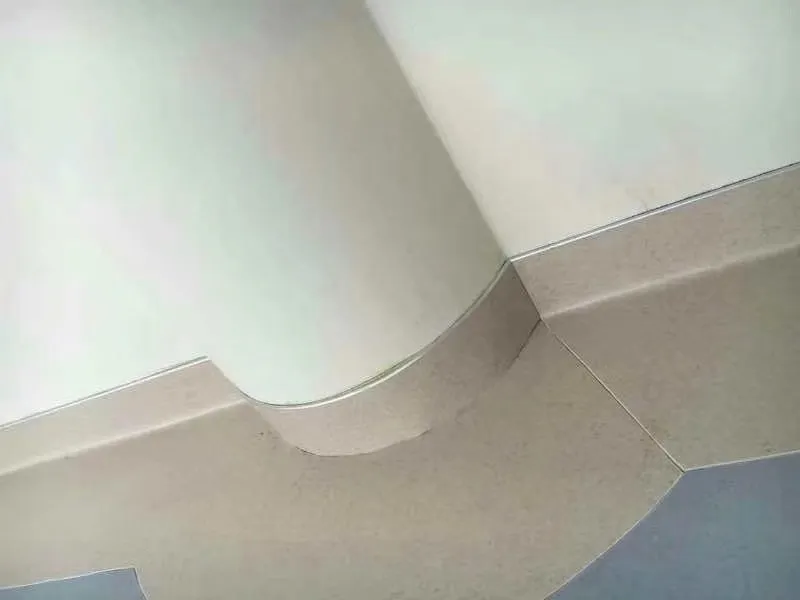
Spec factThe capping seal finishes the top of a coved resilient floorcovering, and its hygienic properties prevent dirt build-up at the floor-to-wall transition.
Buyer decisionSchedule a cap at every coved junction, confirm which cove former is used, and check whether the 20 mm height suits the wall build-up before pricing.
Spec factEase of installation allows quick, straightforward application and reduces labour time.
Buyer decisionPrice the labour sequence, not just the profile — the 24-hour acclimatisation at 18 °C is a fixed step that has to fit inside the holiday window.
Spec factThe hygienic detail promotes cleanliness by preventing dirt build-up at the floor-to-wall transition.
Buyer decisionTreat the junction as a hygiene-relevant detail, and agree the corner treatment — miter cut internal, mitered or wrapped external — with the main contractor.
Spec factReferenced for cleanroom projects, with seamless integration to a PVC cove former and cove cap skirting for a unified finish.
Buyer decisionOrder cap, cove former and cap skirting from one specification so the finish lines up, and confirm lead time early on bulk quantities.
Request a quote for D20
D20 is supplied through an enquiry path rather than a checkout: the product page offers Request Quote, Contact Us and a PDF format specification, with no published price, cart or stock indicator. Send the items below and the quote can be answered in one pass.
- Item and profile: D20 aluminum capping strip, Aluminum 6063, 20 mm height.
- Quantity: lengths or pieces, with the unit you buy in.
- Project type: hospital, school, food preparation area, cleanroom or other commercial interior.
- Fixing: adhesive or screw fix, and the wall build-up it has to suit.
- System parts: which PVC cove former and cove cap skirting are going in with the cap.
- Delivery: destination, required date and whether the order is a one-off or a repeat.
Supplying for bulk procurement by flooring distributors and contractors is part of how D20 is positioned, so state your project or annual volume in the enquiry if you order repeatedly.

Related Products
Keep adjacent product options together for a faster catalog comparison.
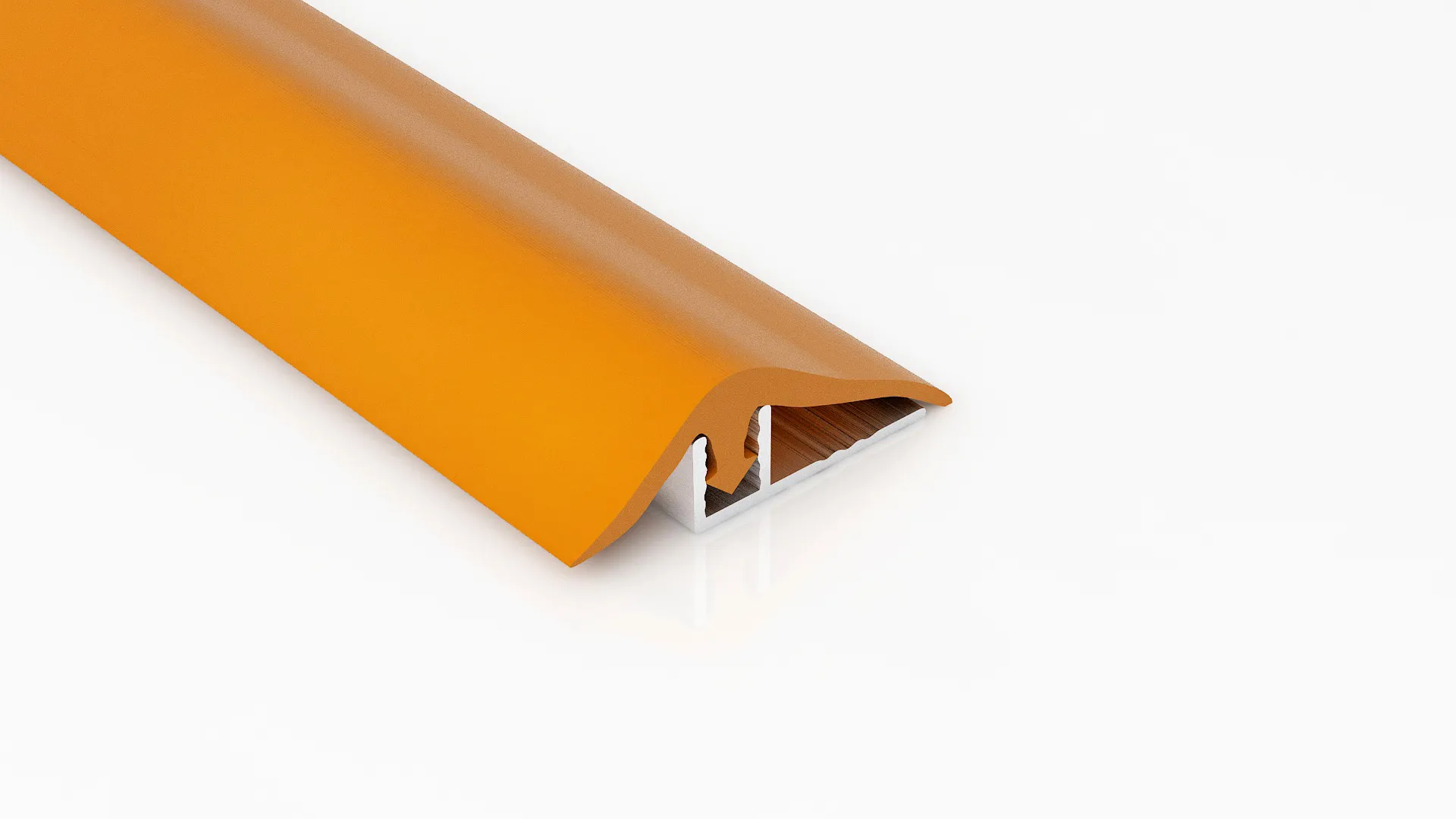
Clip-Top Type Floor Transition Strip
P28/P30 is a ramp top, two-piece floor transition strips from the Clip-Top fx range, which provides a safe transition between resilient flooring and carpet.
View product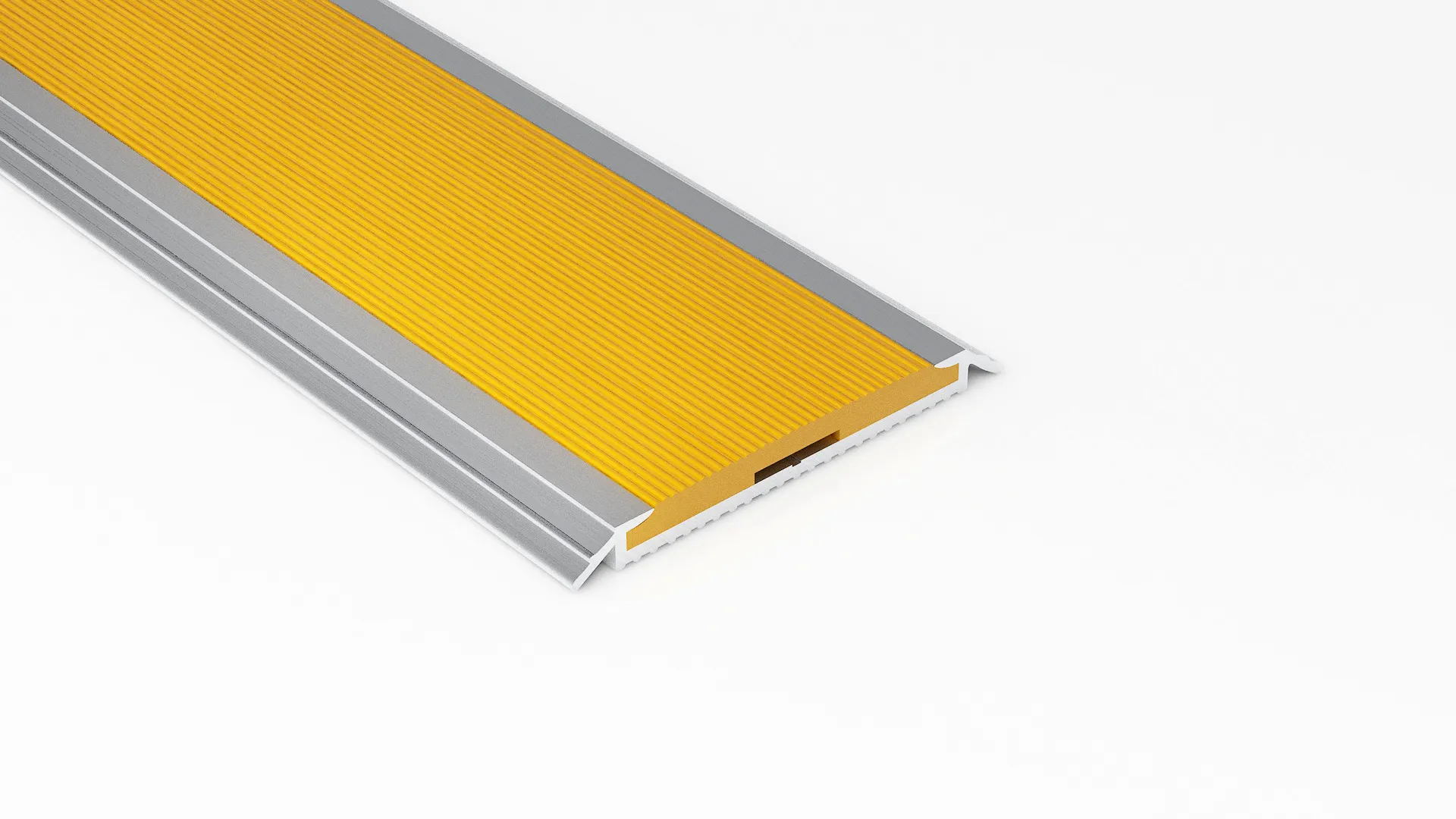
Trans-Edge Type Floor Transition Strip
Discover GREEN POINT's Trans-Edge Type Floor Transition Strip, designed to provide safe and seamless transitions between different floor coverings in high-traffic commercial spaces.
View product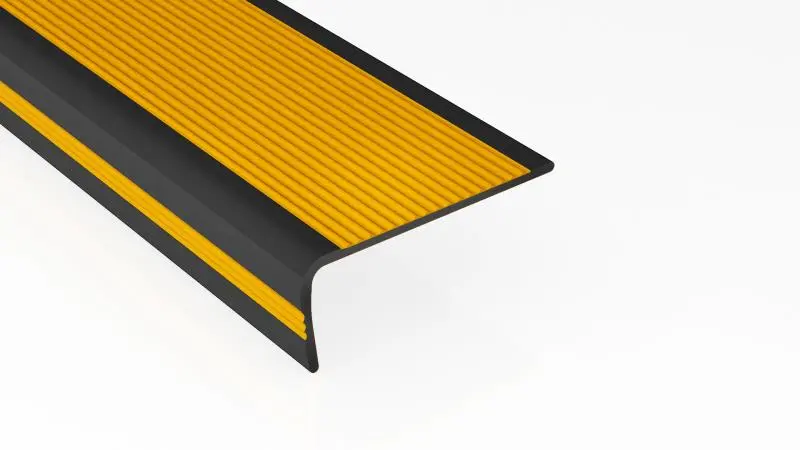
Vinyl PVC Stair Nosing
Discover GREEN POINT's Vinyl Stair Nosing, designed to enhance stair safety and durability. Our anti-slip, PVC stair nosing protects stair edges and is available in various colors to suit your design…
View productFrequently Asked Questions
where exactly does the d20 capping seal sit in a coved installation?
it finishes the top of a resilient floorcovering where it has been coved up the wall, and is usually installed in conjunction with a cove former. it caps the top of the cove rather than sitting at floor level.
what does the d20 technical data say?
type: capping seal. environment: interior. material: aluminum 6063. height: 20 mm. fixing: adhesive or screw fix. used with: resilient floorcovering. item no. d20.
which environments is it specified for?
the product page describes d20 as a preferred choice among contractors for hospitals, schools and food preparation areas, and it is referenced in healthcare flooring and cleanroom projects.
how is it installed, and what site conditions are required?
surfaces must be sound, smooth, dry and free from contaminants, with previous coverings, linings, adhesive residues, paint films and any mold removed and the surface treated. acclimatise the seal for 24 hours at 18 °c, mark the top position with a chalk line, apply proprietary contact adhesive to the wall and the back of the seal, let it become touch dry, then bring the surfaces together with even pressure. internal corners are miter cut; external corners may be miter cut or wrapped around.
can d20 be ordered in bulk, and how do i get a quote?
supply runs through an enquiry path: the product page provides request quote and contact us, and offers a pdf format specification, with no online price or cart. the page also positions the product for bulk procurement by flooring distributors and contractors.
how do i choose between a capping strip, a transition strip and a stair nosing?
match the profile to the junction. capping seal at the top of a coved wall-to-floor junction, transition strip where floorcoverings meet at a change of height or material, stair nosing at stair edges, and skirting where the wall base is not coved. confirm each profile's own fixing detail before ordering.