

PVC Capping Strip Specification Guide
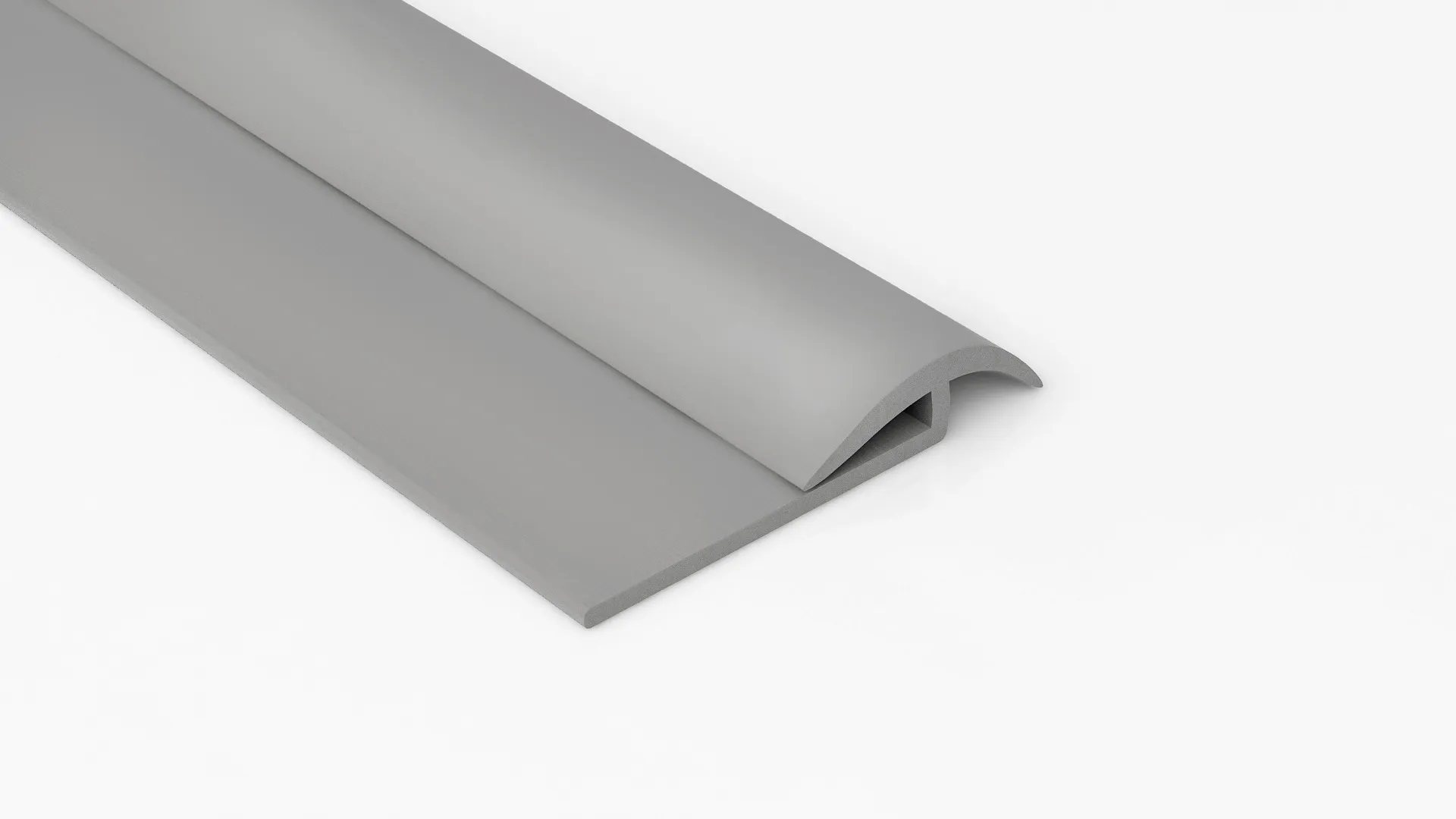
Where a resilient floorcovering is coved up the wall, the top edge needs a clean, sealed termination — the detail most project teams call cove cap skirting. As an established pvc capping strip manufacturer, Shanghai Unitech supplies the CS/SK35 capping seal: soft PVC, interior use, 35 mm or 40 mm high, adhesive fixed over resilient floorcovering and installed with a compatible cove former. This page condenses the published technical data, the comparison points and the installation sequence into a specification you can lift straight into a project document.
Three questions that choose the junction
Answer these before the strip is priced. Each one changes the product family behind the detail, not only the colour of the trim.
Coved, or butted to the wall?
If the floorcovering turns up the wall, the top edge is closed with a capping seal working with a cove former — that is the CS/SK35 route. If the floor is cut at the wall, the junction is closed with a skirting or wall base and no capping strip is needed.
What height does the detail allow?
CS/SK35 is produced at 35 mm and 40 mm. Pick the height that covers the cove former and the termination line, then keep that one height around the whole floor plate so the line never steps.
Is the wall ready for adhesive?
The strip is adhesive fixed. Walls must be sound, smooth, dry and free from previous coverings, linings, adhesive residue, paint film and mold, with surfaces treated before the strip is offered up.
Typical outcome Coved floorcovering, consistent line height and a sound wall point to the CS/SK35 soft PVC capping strip — 35 mm or 40 mm, adhesive fix, interior use, used with resilient floorcovering.
Open the CS/SK35 pageThe junction is a four-part system
The capping strip is one component of a floor-to-wall detail. Specifying it in isolation is how junctions end up re-worked; name each part in the same clause.
- 1
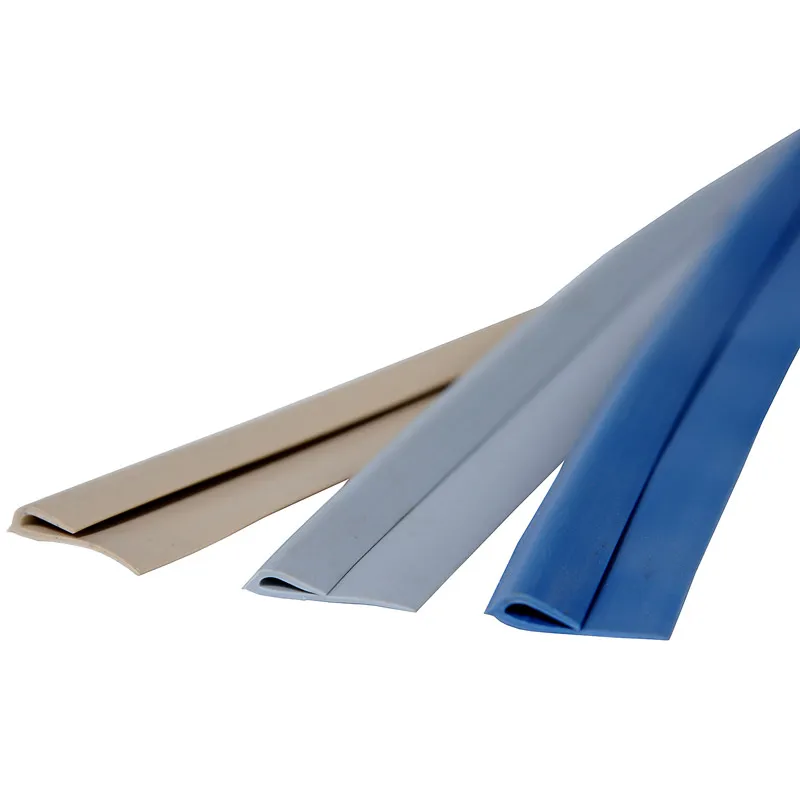
Capping strip — CS/SK35
Soft PVC capping seal that caps the top of the floorcovering where it has been coved up the wall. 35 mm or 40 mm high, adhesive fix, interior environment.
- 2
Cove former
The radius the floorcovering is turned up over. CS/SK35 is designed for compatibility with PVC cove former and cove cap systems, so the two are specified together.
- 3
Resilient floorcovering
The sheet vinyl that runs up the wall. The capping strip is listed as used with resilient floorcovering and sits at the top of that upturn, holding a seamless transition between wall and floor.
- 4
Prepared wall
Sound, smooth and dry, stripped of old coverings, linings, adhesive residue, paint film and mold, and surface treated where required before contact adhesive goes on.
Soft PVC capping against the alternatives
Four ways to finish the wall line on a commercial vinyl job. Only the CS/SK35 column carries published technical data; the other columns describe the junction type so you can rule it in or out early.
| Criteria | Soft PVC capping strip (CS/SK35) | Rigid metal capping strip | Vinyl wall base / skirting | Flexible PVC skirting |
|---|---|---|---|---|
| Material | Soft PVC | Metal profile — confirm grade with the supplier | PVC wall base | Flexible PVC |
| Height | 35 / 40 mm | Confirm with supplier | Confirm with supplier | Confirm with supplier |
| Fixing | Adhesive fix | Confirm with supplier | Confirm with supplier | Confirm with supplier |
| Curves and corners | Flexible soft PVC suited to curved walls and corners; internal corners miter cut, external corners mitered or wrapped | Straight runs and cut miters | Skirt line only; corners formed at the wall base | Flexible; follows gentle curves |
| Hygiene | Seals the edge where dirt and bacteria can accumulate, so the transition can be cleaned thoroughly | Joints and returns must be sealed to stay cleanable | No capping at the floor edge; the floor-to-wall joint stays open | Skirt only; the floor junction is handled separately |
| Environment | Interior | Confirm with supplier | Interior wall application | Interior wall application |
| Cost position | Described as good value and cost-effective; suited to bulk procurement by distributors and contractors | Confirm against project quotations | Confirm against project quotations | Confirm against project quotations |
| Typical use | Coved junctions in hospitals, schools and food preparation areas; healthcare and cleanroom projects | Crisp hard-edge terminations | Butted junctions where the floor stops at the wall | Skirt-only finishes on prepared walls |
CS/SK35 values are taken from the published technical data. The remaining columns set out general characteristics of each junction type and should be confirmed against the relevant product page or quotation before they enter a specification.
Height, substrate and acclimatisation
These are the numbers and preconditions that decide whether the strip performs. Everything below is the published data, ready to be copied into a project document.
CS/SK35 technical data
| Type | Capping seal |
|---|---|
| Environment | Interior |
| Material | Soft PVC |
| Height | 35 / 40 mm |
| Fixing | Adhesive fix |
| Used with | Resilient floorcovering |
| Acclimatisation | 24 hours at 18 °C ambient temperature before installation |
Substrate readiness checklist
- Substrate is sound, smooth and dry.
- No contaminants on the surface that would affect adhesion.
- Walls free from previous coverings and linings.
- No adhesive residue left on the wall.
- Paint film and mold removed, surface treated where required.
The capping seal should acclimatise for 24 hours at 18 °C ambient temperature before installation.
Copy-ready specification clause
Installation sequence
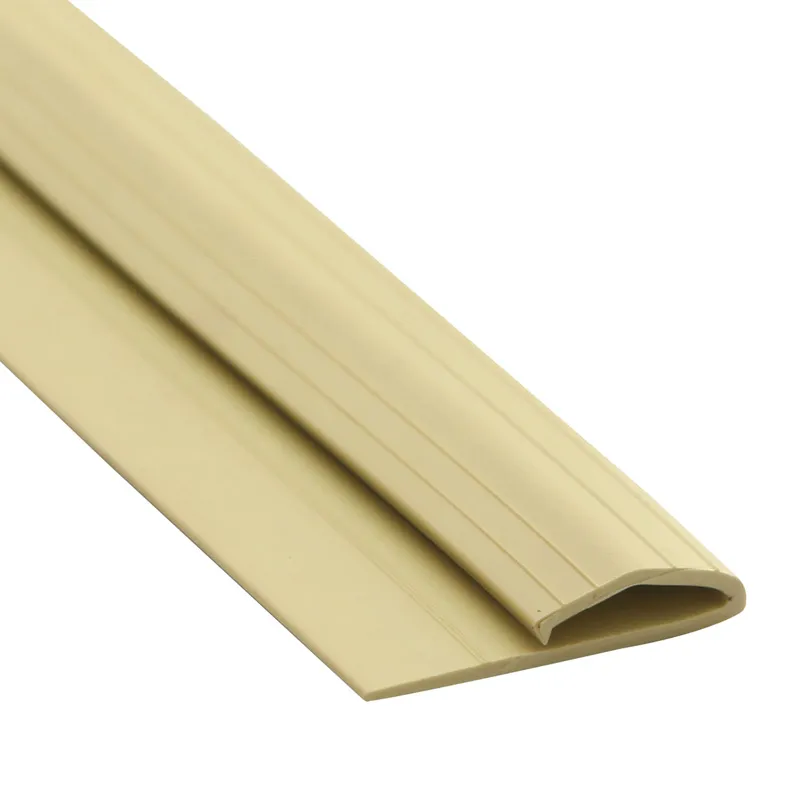
Five documented steps. The sequence matters as much as the adhesive: mark first, then contact adhesive on both faces, then a touch-dry wait before the strip is closed onto the wall.
- 1
Mark the line
Mark the position of the top of the capping seal on the wall and join the marks with a chalk line, so the strip follows one continuous height.
- 2
Apply contact adhesive
Apply a proprietary contact adhesive to the wall and to the back of the capping seal, covering both faces fully.
- 3
Let it become touch dry
Allow the adhesive to become touch dry before the two surfaces are brought together. Closing it early traps solvent behind the strip.
- 4
Close and press
Bring both surfaces together, apply even pressure along the strip, remove air bubbles and make sure there is full wall contact.
- 5
Form the corners
All internal corners should be miter cut. External corners may be miter cut or wrapped around, depending on the detail drawn for that corner.
Corner note before you cut
Internal corners are miter cut without exception. External corners give a choice — miter cut for a crisp arris, wrapped for a continuous radius — so agree the treatment corner by corner while the line is still being marked, not after the adhesive is mixed.
Scenario to specification
The same strip, three different pressures on the specification. Read the decision line in each card before the clause is issued.
Junction must be cleanable
Seal the edge where dirt can collect and the line has to survive daily washing down. Specify CS/SK35, soft PVC, interior, 35 mm or 40 mm, adhesive fixed with full wall contact and no air pockets behind the strip, internal corners miter cut.
Buyer decision: confirm the cove former and the cleaning regime with the flooring contractor, then approve the profile from a physical sample.
Line continuity along corridors
Long runs expose any change of height. Fix one call-off height for the floor plate, miter every internal corner and keep the marked chalk line unbroken past door reveals and recesses.
Buyer decision: agree who signs off the profile and colour sample, and lock the height into the clause before quantities are taken off.
Choosing 35 mm or 40 mm
Measure the cove former and the termination line, then choose the height that covers both with a consistent upstand. The strip is only available at 35 mm and 40 mm, so the height decision is made on the wall, not on site.
Buyer decision: publish one height across the project rather than mixing 35 mm and 40 mm between rooms.
What the CS/SK35 brings to the finished detail
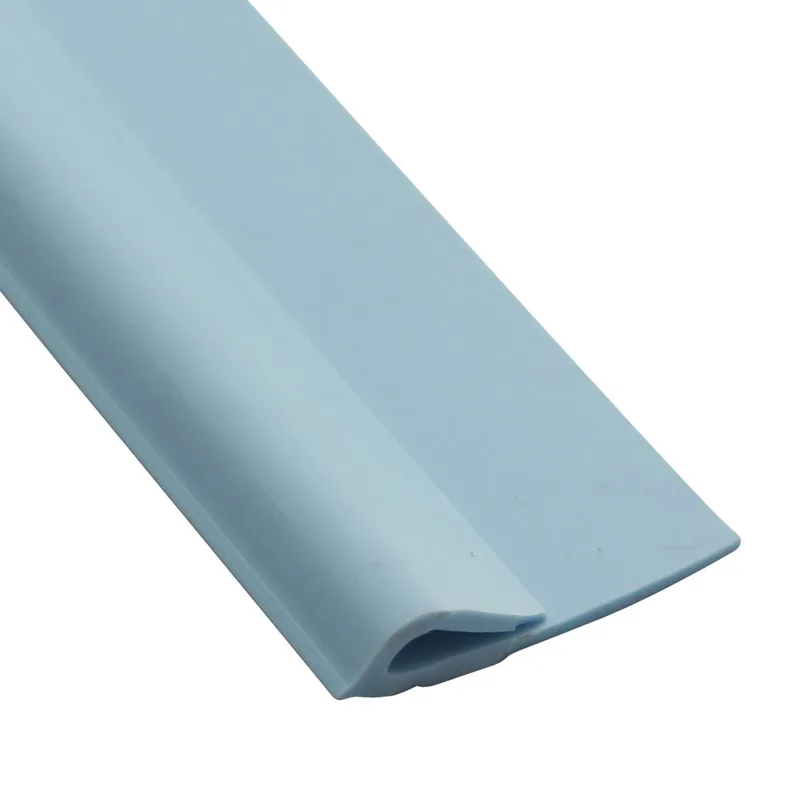
Nice visual finish
Caps the flooring edge for a seamless transition between wall and floor, so the junction reads as a designed detail rather than a cut edge.
Easy installation
The flexible soft PVC composition is what makes the strip quick to handle and quick to fit along a marked line, which reduces labour time on the run.
Hygienic
Sealing the edge closes the place where bacteria and dirt might accumulate, which supports easy maintenance and thorough cleaning afterwards.
Good value for money
A high-quality finish at an affordable price point, and a format that suits bulk procurement by flooring distributors and contractors.
Data sheet, samples and bulk pricing
The SK35 technical data sheet is published on the product page, and the factory team handles sample requests and distributor enquiries directly.
- Technical data sheet — SK35 capping strip TDS, available from the product page
- Free samples — for profile and colour approval before the order is placed
- Bulk and distributor enquiries — quantities, packaging and delivery arranged through Contact Us
Related Products
Keep adjacent product options together for a faster catalog comparison.
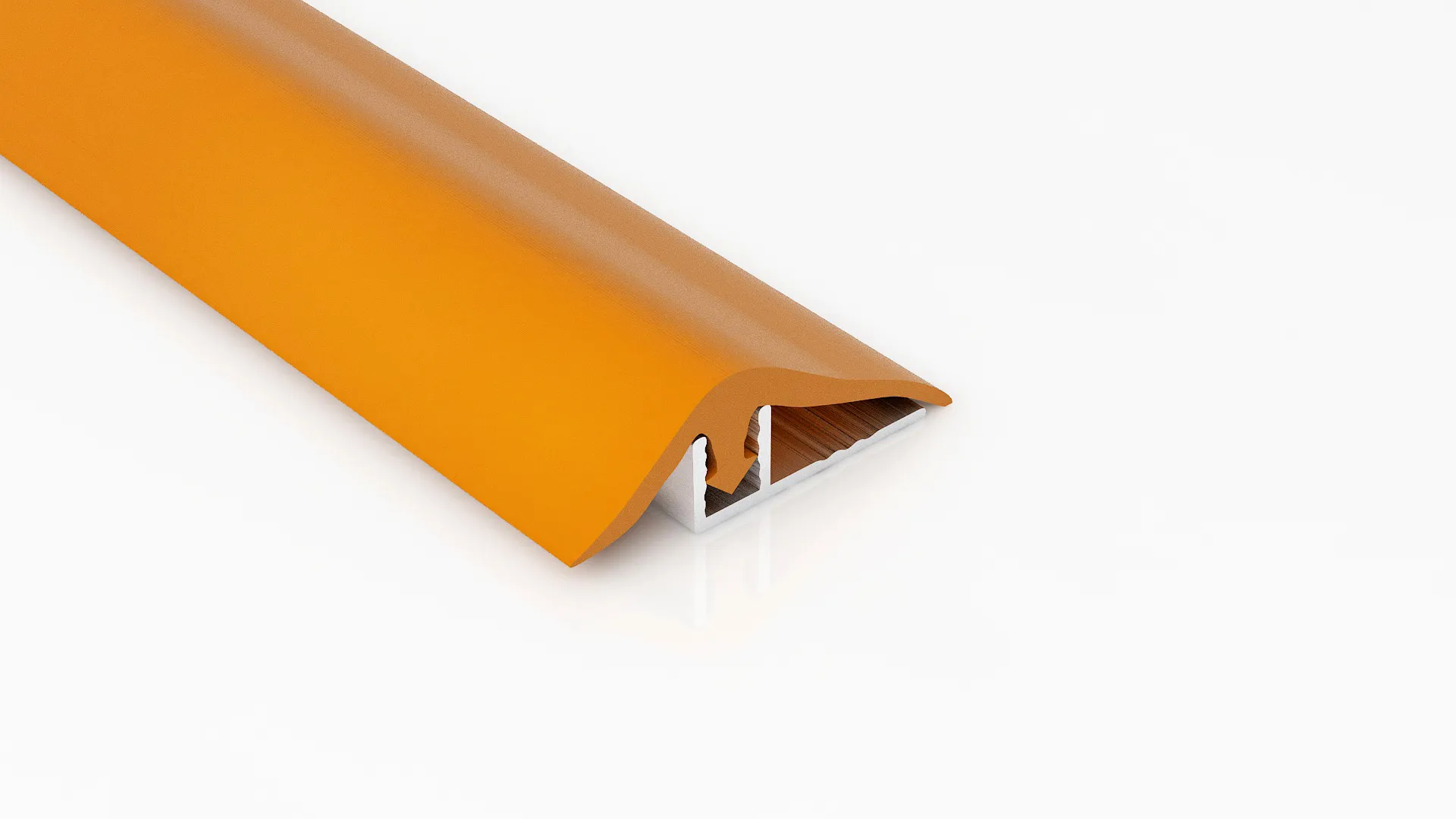
Clip-Top Type Floor Transition Strip
P28/P30 is a ramp top, two-piece floor transition strips from the Clip-Top fx range, which provides a safe transition between resilient flooring and carpet.
View product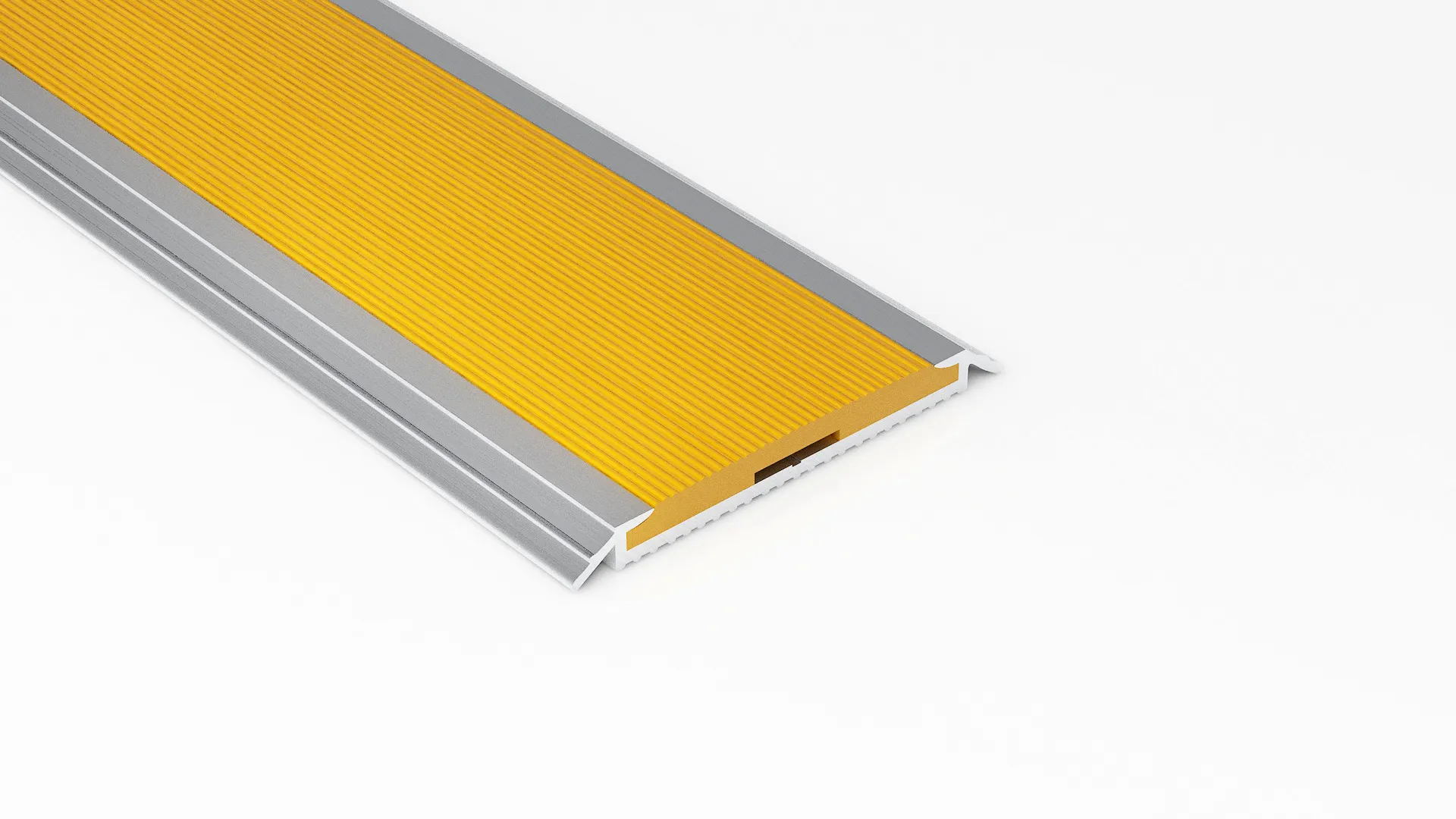
Trans-Edge Type Floor Transition Strip
Discover GREEN POINT's Trans-Edge Type Floor Transition Strip, designed to provide safe and seamless transitions between different floor coverings in high-traffic commercial spaces.
View product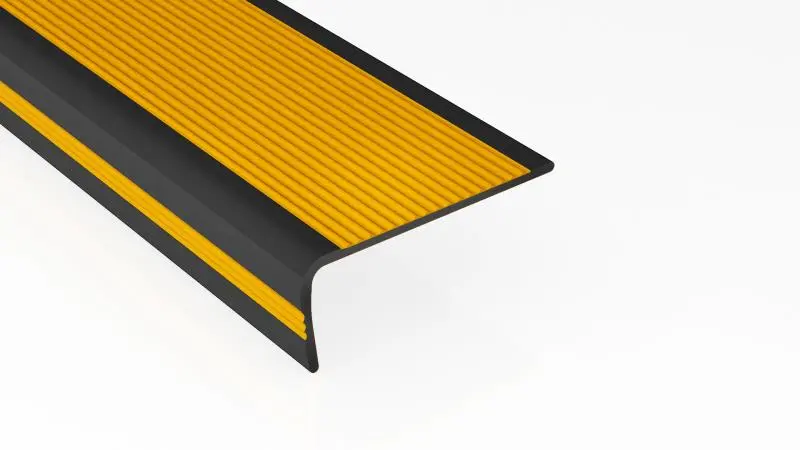
Vinyl PVC Stair Nosing
Discover GREEN POINT's Vinyl Stair Nosing, designed to enhance stair safety and durability. Our anti-slip, PVC stair nosing protects stair edges and is available in various colors to suit your design…
View productFrequently Asked Questions
what information is shown for this product?
review the product details, images, and specifications presented on the official product page.
where can i check the intended application?
use the application and use-case information published on the official product page.
which specifications should i confirm before ordering?
confirm the specifications and options listed for the exact product variant before placing an order.
where can i check available options?
check the official product page or ask the supplier about options shown for the selected product.
how can i request product information?
use the official contact or inquiry path provided on the site.
what should i include in an inquiry?
include the product page, intended use, required quantity, and any specifications you need the supplier to review.

